What a Third-Grade Story Stand Taught Me About Writing, Editing, and Voice
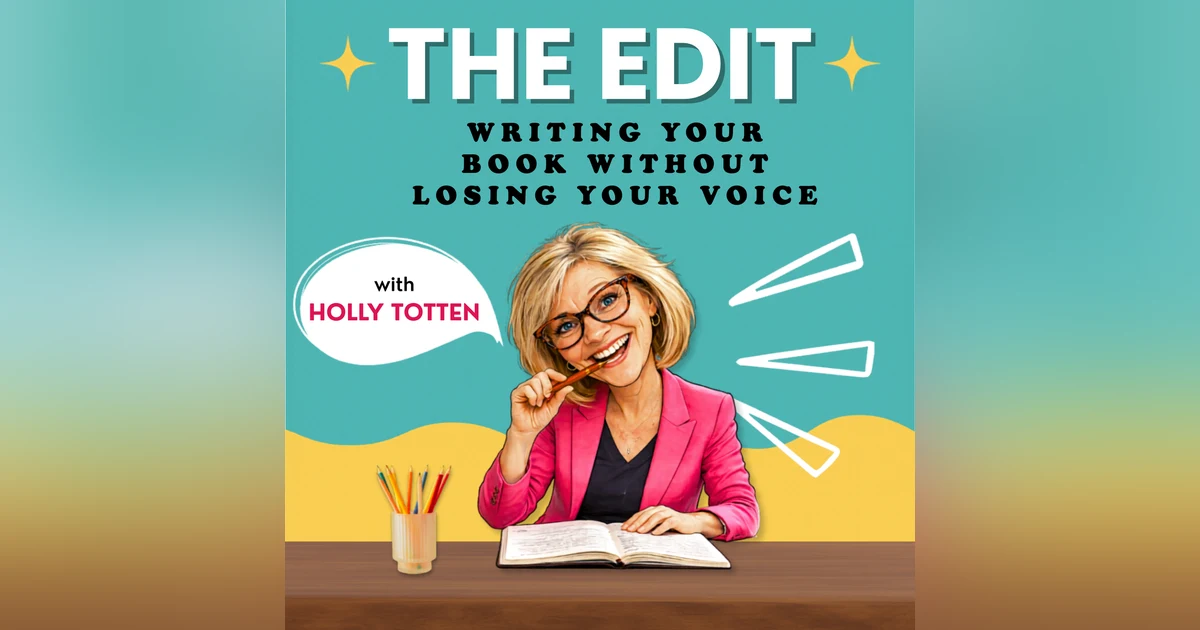


What can two third-grade girls, a card table, and a stack of handwritten stories teach us about writing?
More than you might think.
In this episode of The Edit, Holly shares a childhood memory that helped shape her beliefs about storytelling, editing, and authentic voice long before she knew those words would become part of her career.
Back in the 1970s, Holly and her best friend, Anne Marie, opened a "Story Stand" in their neighborhood. Instead of selling lemonade, they sold stories—fiction, nonfiction, poems, and even custom-written tales based on customer requests.
Looking back, Holly realizes that one simple summer taught her some of the most important lessons she's carried into her work as a writer, editor, and writing coach.
In this episode, you'll discover:
- Why writing is ultimately about connection
- The real purpose of editing—and what it should never do
- Why not every reader is the right reader
- How encouragement can shape a writer's confidence
- Why your authentic voice is your greatest writing asset
Whether you're writing a book, a blog, a memoir, or simply trying to tell your story more clearly, this episode is a reminder that the lessons that matter most are often the ones we learn long before we realize we're learning them.
Quote Featured in This Episode
"What one loves in childhood stays in their heart forever."
— Mary Jo Putney
In This Episode
Lesson 1: Writing Is Meant to Connect People
- Stories create connection
- Writing doesn't require permission, credentials, or publication
- The power of sharing one human experience with another
Lesson 2: Editing Should Strengthen a Story, Not Replace a Voice
- What childhood story-sharing taught Holly about editing
- The difference between improving a story and changing a writer
- Why preserving voice matters
Lesson 3: Not Every Reader Is the Right Reader
- The baby bird story that never made it to the Story Stand
- Understanding audience and reader reactions
- Why criticism isn't always a sign that your writing failed
Lesson 4: Encouragement Matters
- The story of Mazie the Magical Horse
- The importance of people who believe in our stories
- How a single encouraging voice can change a writer's path
Lesson 5: Your Voice Is Your Greatest Asset
- Why sounding like yourself matters more than sounding like anyone else
- The value readers truly connect with
- The foundation of Holly's editing philosophy
Memorable Takeaway
"The thing that makes your writing valuable isn't that it sounds like a bestselling author. It's that it sounds like you."
Connect with Holly
If this episode resonated with you, please follow the podcast, leave a rating and review, and share it with another writer who needs the reminder that their voice matters.
For writing coaching, editing services, and resources, visit:
Writely Notable
https://www.writelynotable.com
You can email Holly at writelynotable@gmail.com
Final Thought
Your story without your voice is only words.
